
 Wayup Abroad
Winter Intake in Germany 2027 Details
If you wish to study in Germany in 2027, the Winter Intake could be an excellent opportunity. Many universities in Germany begin accepting applications for new sessions in February or March. Enrolling during this period means you will have a shorter waiting period compared to the Summer Intake.
The application process for the Winter Intake in Germany also tends to be somewhat simpler. Many universities accept applications in smaller rounds during this time, thereby increasing the chances of admission for students. There are also financial advantages, as the timeline allows ample opportunity to plan ahead for educational loans and scholarships.
Starting your studies during the Winter Intake in Germany 2027 means you can begin preparing for internships or job opportunities sooner than students who enroll at other times. Many students who enroll during this period are able to structure their academic journey and career path in a more organized and strategic manner. Therefore, the 2027 Germany Winter Intake presents a promising opportunity for many students.
Eligibility Requirements
When we talk about Requirements for Winter Intakes in Germany nothing is different you need the same documents and general requirements. Some universities require German language proficiency tests, depending on the university you choose. If you choose your course in English, then you can immigrate with an IELTS score of 6.0 to 7.0 band. If your documents are not in German or English, then you need to share the translation of the documents.
General Requirements:
- Bachelor's degree (for master's programs) or high school diploma (for bachelor's programs)
- Language proficiency: German: B1/B2 (depending on the university)/English: TOEFL (80-90) or IELTS (6.0-7.0)
- GRE/GMAT scores (for some master's programs)
- Letters of recommendation (2-3)
- Motivation letter/personal statement
- CV/resume
- Transcripts and certificates
- Proof of health insurance
- Proof of financial support (blocked account or scholarship)
Additional Requirements (depending on the university/program):
- Entrance exams (e.g. TestAS, Feststellungsprufung)
- Portfolio/interview (for art/design programs)
- Work experience (for certain master's programs)
- Additional language proficiency tests (e.g., DSH, TestDaF)
- University-specific entrance requirements
Document Submission:
- Online application
- Certified copies of documents
- Translation of documents (if not in German/English)
Deadlines:
- Typically, December 15th for winter intake
- Varying deadlines for different universities/programs with the help of our study in Germany consultants.
Documents Required
Depending on the university and program, different documents will be needed for the Winter intake application. Nonetheless, typical prerequisites consist of:
Academic Documents:
- Bachelor's degree certificate (for master's programs)
- Master's degree certificate (for PhD programs)
- Academic transcripts (mark sheets)
- Diploma supplement (if applicable)
- Proof of university entrance qualification (e.g., A-levels, IB diploma)
Language Proficiency Documents:
- German language proficiency test scores (e.g., TestDaF, DSH, Goethe-Institut)
- English language proficiency test scores (e.g., TOEFL, IELTS, Cambridge Certificate)
Personal Documents:
- Passport
- Birth certificate
- Proof of identity (e.g., ID card, driver's license)
- CV/resume
- Motivation letter/personal statement
- Letters of recommendation (2-3)
Additional Documents:
- Proof of health insurance
- Proof of financial support (e.g., blocked account, scholarship)
- Certificate of good conduct (if required by the university)
- Apostille or certification of documents (if required)
University-Specific Documents:
- University application form
- Proof of university entrance exam (e.g., TestAS, Feststellungsprüfung)
- Portfolio or work samples (for art/design programs)
- Entrance test results (e.g., GMAT, GRE)
Application Process
At WayUp Abroad, we're excited to guide you through the application process for Winter Intake in Germany 2027-2028. Our expert team will support you every step of the way, ensuring a smooth and successful application journey.
Here's a step-by-step guide to help you get started:
- Research and Shortlist Universities: Explore our partner universities in Germany and shortlist your preferred institutions based on your academic interests, budget, and career goals.
- Check Admission Requirements: Review the admission requirements for your chosen universities, including language proficiency, academic qualifications, and additional documentation.
- Prepare and Submit Documents: Gather and submit the required documents, including:
- Academic transcripts and certificates
- Language proficiency test scores (e.g., TOEFL, IELTS, or TestDaF)
- Letters of recommendation
- Motivation letter/personal statement
- CV/resume
- Apply to Universities: Submit your applications to your chosen universities through our online portal or directly through the university's website.
- Secure Admission: Receive admission confirmation from the university and review the terms and conditions.
- Apply for a Student Visa: Once you've secured admission, apply for a student visa at the German embassy or consulate in your home country.
- Finalize Accommodation and Health Insurance: Arrange for accommodation and health insurance in Germany, ensuring you're fully prepared for your studies.
Top Courses
Winter intake in Germany comes with a lot of options. Yes, studying in Germany with winter intake can help you to choose from a wide range of programs. You can choose any undergraduate or postgraduate program in Germany to start your study abroad journey with winter intake. Know about some of the best courses and programs you should opt for:
Engineering and Technology
- Mechanical Engineering
- Automotive Engineering
- Electrical Engineering
- Civil Engineering
- Renewable Energy
Computer Science and IT
- Artificial Intelligence
- Data Science
- Software Engineering
- Cybersecurity
- Machine Learning
Business and Management
- MBA
- International Business
- Supply Chain Management
- Finance and Accounting
- Marketing Analytics
Architecture and Design
- Urban Planning
- Sustainable Architecture
- Industrial Design
- Graphic Design
Natural and Applied Sciences
- Biotechnology
- Environmental Science
- Physics
- Chemistry
- Mathematics
Medicine and Healthcare
- MBBS (for undergraduate students)
- Public Health
- Nursing
- Biomedical Engineering
- Pharmaceutical Sciences
Arts and Humanities
- Literature and Cultural Studies
- History
- Philosophy
- Media and Communication
Scholarships
Scholarship for studying in any country are important including Germany. If you choose a public university in Germany, then you don’t need any scholarship for that as these types of universities are free. But if you choose any private universities you may need financial help to maintain your academics and living costs.
DAAD Scholarship
DAAD Scholarship is one of the best options for international students. This Scholarship offered by the German Academic Exchange Service, supports international students and researchers pursuing higher education in Germany. Also, eligible candidates include bachelor's, master's, and PhD students. As well as postdoctoral researchers, from developing and newly industrialized countries. Funding covers tuition, living expenses, and travel costs, enabling academic excellence.
Eligibility: DAAD Scholarship is eligible for international students who have a Bachelor's degree, are under 36 years old, have at least two years of work experience, and have a strong academic record, language proficiency, and a convincing motivation for studying in Germany.
Average Amount (in CAD): Average amount of the DAAD Scholarship is approximately €861-€2,000 per month, depending on the program and student status.
Germany Scholarship
Germany Scholarship supports talented students pursuing bachelor's, master's, or PhD programs at German universities. Eligible candidates include international students, German citizens, refugees, and students with exceptional academic achievements or social/family commitments. Recipients receive €300/month for 12 months, funded by the Federal Government and universities.
Erasmus Mundus Scholarship
Erasmus Mundus Scholarship funds international students pursuing joint master's degrees at European universities. Eligible candidates include non-EU citizens with a bachelor's degree, excellent academic record, and language proficiency. Recipients receive tuition fees, living expenses, and travel costs, typically €1,400-€2,000/month for 1-2 years.
Heinrich Böll Foundation Scholarship
Heinrich Boll Foundation Scholarship supports international students pursuing master's or PhD programs in Germany. Eligible candidates include non-EU citizens with excellent academic records, social commitment, and a focus on sustainability, ecology, or social justice. Recipients receive €1,200/month for master's and €1,500/month for PhD programs.
Konrad Adenauer Stiftung Scholarship
Konrad Adenauer Stiftung Scholarship supports international students pursuing master's or PhD programs in Germany. Eligible candidates include non-EU citizens with excellent academic records, democratic values, and a commitment to social responsibility. Recipients receive €1,200/month for master's and €1,500/month for PhD programs.
Friedrich Ebert Stiftung Scholarship
Friedrich Ebert Stiftung Scholarship supports international students pursuing bachelor's, master's, or PhD programs in Germany. Eligible candidates include non-EU citizens with excellent academic records, social commitment, and a focus on social democracy and justice. Recipients receive €830/month for bachelor's and master's, and €1,200/month for PhD programs.
Deutschlandstipendium Scholarship
Deutschlandstipendium Scholarship supports high-achieving students pursuing bachelor's or master's programs in Germany. Eligible candidates include international students and German citizens with excellent academic records and social commitment. Recipients receive €300/month for at least 2 semesters, funded by the German government and private donors.
Hanseatic Scholarship
Hanseatic Scholarship supports students from developing countries pursuing master's programs in Germany, particularly in fields like engineering, economics, and social sciences. Eligible candidates have excellent academic records, strong social commitment, and financial need. Recipients receive a monthly stipend of €750-€1,000, tuition fees, travel costs, and language course funding for a duration of 1-2 years, depending on the program.
Kofi Annan MBA Scholarship
Kofi Annan MBA Scholarship supports talented students from developing countries pursuing an MBA at the ESMT Berlin or another top-tier European business school. Eligible candidates have excellent academic records, leadership potential, and a commitment to social responsibility. Recipients receive full tuition fees.
ESCP Business School Scholarship
ESCP Business School Scholarship supports exceptional students pursuing a master's degree at ESCP Business School in Europe. Eligible candidates have outstanding academic records, leadership potential, and a strong motivation for studying at ESCP. Recipients receive up to 50% tuition fee waiver.
Top Universities
Technical University of Munich (TUM)
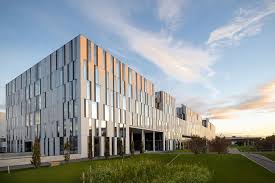
Winter Intake at the Technical University of Munich (TUM) is an important opportunity for students. This intake usually starts in October and is open to students in engineering and technology. Students who are admitted to the Winter Intake can start the new academic year and can take advantage of research and internship opportunities. Students should have all the necessary documents ready in advance for the application process.
Technical University of Munich (TUM) Deadline and Fees
Deadline for Winter Intake 2027: July 15, 2026
Fees (Approx.): €0 tuition; Semester fee: €144
Course Details
Undergraduate Courses
- B.Sc. Aerospace
- B.Sc. Agricultural and Horticultural Sciences
- B.Sc. Architecture
- B.Sc. Biochemistry
- B.Sc. Bioinformatics
- B.Sc. Biology
- B.Sc. Brewing and Beverage Technology
- B.Sc. Chemical Engineering
- B.Sc. Chemistry
- B.Sc. Civil Engineering
- B.Sc. Computational Science and Engineering
- B.Sc. Electrical Engineering
- B.Sc. Engineering Science
- B.Sc. Environmental Engineering
- B.Sc. Food Technology
- B.Sc. Forestry and Resource Management
- B.Sc. Geodesy and Geoinformation
- B.Sc. Geosciences
- B.Sc. Informatics (Computer Science)
- B.Sc. Information Systems
- B.Sc. Landscape Architecture and Landscape Planning
- B.Sc. Management
- B.Sc. Management and Technology
- B.Sc. Mathematics
- B.Sc. Mechanical Engineering
- B.Sc. Molecular Biotechnology
- B.Sc. Nutrition and Biomedicine
- B.Sc. Pharmaceutical Bioprocess Engineering
- B.Sc. Physics
- B.Sc. Sustainable Management and Technology
- B.Ed. Vocational Education (various technical fields)
Postgraduate Courses
- M.Sc. Aerospace
- M.Sc. Agricultural Biosciences
- M.Sc. Architecture
- M.Sc. Automotive Engineering
- M.Sc. Biochemistry
- M.Sc. Bioinformatics
- M.Sc. Biology
- M.Sc. Biomedical Computing
- M.Sc. Biomedical Neuroscience
- M.Sc. Chemical Engineering
- M.Sc. Chemistry
- M.Sc. Civil Engineering
- M.Sc. Communications Engineering
- M.Sc. Computational Mechanics
- M.Sc. Computational Science and Engineering
- M.Sc. Consumer Science
- M.Sc. Data Engineering and Analytics
- M.Sc. Electrical Engineering and Information Technology
- M.Sc. Energy and Process Engineering
- M.Sc. Environmental Engineering
- M.Sc. Finance and Information Management
- M.Sc. Food Technology and Biotechnology
- M.Sc. Informatics (Computer Science)
- M.Sc. Information Systems
- M.Sc. Management
- M.Sc. Management and Technology
- M.Sc. Mathematics
- M.Sc. Mechanical Engineering
- M.Sc. Medical Life Science and Technology
- M.Sc. Molecular Biotechnology
- M.Sc. Neuroengineering
- M.Sc. Nutrition and Biomedicine
- M.Sc. Physics
- M.Sc. Power Engineering
- M.Sc. Quantum Science & Technology
- M.Sc. Robotics, Cognition, Intelligence
- M.Sc. Sustainable Mobility
- M.Sc. Sustainable Resource Management
- Master of Education (Research on Teaching and Learning)
- Executive MBA
- MBA programs (various specializations)
Doctoral Programs
- Dr.-Ing. (Doctor of Engineering)
- Dr. rer. nat. (Doctor of Natural Sciences)
- Dr. phil. (Doctor of Philosophy)
- Dr. rer. pol. (Doctor of Economics)
Ludwig Maximilian University of Munich (LMU)
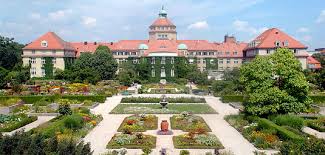
Winter Intake at LMU Munich starts in October. It is open to international students and is suitable for arts, science and social science subjects. Students who are admitted to the Winter Intake can start their courses at the same time as the new academic year. It is important to have your application, language skills and other documents ready in advance during the admission process.
Ludwig Maximilian University of Munich (LMU) Deadline and Fees
Deadline for Winter Intake 2027: July 12, 2026
Fees (Approx.): €0 tuition; Semester fee: €129
Course Details
Undergraduate Courses
- B.A. Ancient History
- B.A. Anthropology
- B.A. Art History
- B.A. Biology
- B.A. Business Administration
- B.A. Catholic Theology
- B.A. Chemistry and Biochemistry
- B.A. Communication Studies
- B.A. Comparative Literature
- B.A. Computer Science
- B.A. Cultural Studies
- B.A. Earth Sciences
- B.A. Economics
- B.A. Educational Science
- B.A. English Studies
- B.A. Ethnology
- B.A. German Studies
- B.A. Greek Philology
- B.A. History
- B.A. Japanese Studies
- B.A. Latin Philology
- B.A. Law (State Examination)
- B.A. Mathematics
- B.A. Media Informatics
- B.A. Medicine (State Examination)
- B.A. Musicology
- B.A. Philosophy
- B.A. Physics
- B.A. Political Science
- B.A. Protestant Theology
- B.A. Psychology
- B.A. Scandinavian Studies
- B.A. Sociology
- B.Sc. Bioinformatics
- B.Sc. Business Informatics
- B.Sc. Chemistry
- B.Sc. Geography
- B.Sc. Geosciences
- B.Sc. Human Biology
- B.Sc. Informatics (Computer Science)
- B.Sc. Meteorology
- B.Sc. Pharmacy (State Examination)
- B.Sc. Statistics
- Dentistry (State Examination)
Postgraduate Courses
- M.A. Ancient Near Eastern Studies
- M.A. Art History
- M.A. Astrophysics
- M.A. Book Studies
- M.A. Business Mathematics
- M.A. Byzantine Studies
- M.A. Classical Archaeology
- M.A. Comparative Studies in English and American Language, Literature, Culture
- M.A. Digital Humanities
- M.A. East European Studies
- M.A. Economics
- M.A. Egyptology
- M.A. Empirical Educational Research
- M.A. English Studies
- M.A. European-American Studies
- M.A. German-French Master in History
- M.A. History
- M.A. Human Geography
- M.A. Intercultural Communication
- M.A. Japanese Studies
- M.A. Logic and Philosophy of Science
- M.A. Medieval and Renaissance Studies
- M.A. Meteorology
- M.A. Near and Middle Eastern Studies
- M.A. Philosophy
- M.A. Political Science
- M.A. Psychology
- M.A. Sinology
- M.A. Sociology
- M.Sc. Biochemistry
- M.Sc. Bioinformatics
- M.Sc. Biology
- M.Sc. Chemistry
- M.Sc. Data Science
- M.Sc. Epidemiology
- M.Sc. Geosciences
- M.Sc. Human Biology – Principles of Health and Disease
- M.Sc. Informatics (Computer Science)
- M.Sc. Mathematics
- M.Sc. Media Informatics
- M.Sc. Molecular Life Sciences
- M.Sc. Neuro-Cognitive Psychology
- M.Sc. Physics
- M.Sc. Plant Sciences
- M.Sc. Quantitative Economics
- M.Sc. Statistics
- LL.M. European and International Business Law
- Master of Insurance
- Master of Public Health
Doctoral Programs
- Dr. phil. (Humanities)
- Dr. rer. nat. (Natural Sciences)
- Dr. med., Dr. med. dent. (Medicine and Dentistry)
- Dr. iur. (Law)
- Dr. theol. (Theology)
Heidelberg University
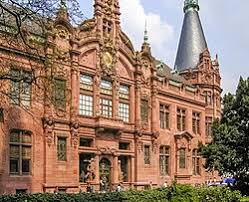
Winter Intake at Heidelberg University starts in October. Students can enroll in Master’s and some Bachelor’s programs during this time. Winter Intake is convenient for international students, as it gives students the opportunity to join the new academic year and increases the opportunities to participate in research or projects.
Heidelberg University Deadline and Fees
Deadline for Winter Intake 2027: July 1, 2026
Fees (Approx.): €1,500 per semester (for non-EU students)
Course Details
Undergraduate Courses
- B.A. American Studies
- B.A. Ancient History
- B.A. Anthropology (Ethnology)
- B.A. Art History
- B.A. Assyriology
- B.A. Byzantine Archaeology and Art History
- B.A. Classical Archaeology
- B.A. Computational Linguistics
- B.A. East Asian Studies
- B.A. Economics
- B.A. Educational Science
- B.A. Egyptian Studies (Egyptology)
- B.A. English Studies
- B.A. Geography
- B.A. German Studies
- B.A. Greek Philology
- B.A. History
- B.A. Interprofessional Healthcare
- B.A. Japanese Studies
- B.A. Latin Philology
- B.A. Medieval Studies
- B.A. Musicology
- B.A. Philosophy
- B.A. Political Science
- B.A. Protestant Theology
- B.A. Religious Studies
- B.A. Romance Studies
- B.A. Slavic Studies
- B.A. Sociology
- B.A. South Asian Studies
- B.Sc. Biochemistry
- B.Sc. Biology
- B.Sc. Biosciences
- B.Sc. Chemistry
- B.Sc. Computer Science
- B.Sc. Earth Sciences
- B.Sc. Mathematics
- B.Sc. Molecular Biotechnology
- B.Sc. Physics
- B.Sc. Psychology
- Medicine (State Examination)
- Dentistry (State Examination)
- Pharmacy (State Examination)
- Law (State Examination)
Postgraduate Courses
- M.A. American Studies
- M.A. Ancient Near Eastern Studies
- M.A. Art History and Archaeology
- M.A. Classical Philology
- M.A. Computational Linguistics
- M.A. Conference Interpreting
- M.A. Cultural Heritage and Protection of Cultural Property
- M.A. East Asian Art History
- M.A. Economics
- M.A. English Studies
- M.A. European Art History
- M.A. Global History
- M.A. Health Economics
- M.A. Intercultural Studies
- M.A. International Health
- M.A. Medical Education
- M.A. Medieval Studies
- M.A. Molecular Biosciences
- M.A. Musicology
- M.A. Political Science
- M.A. Psychology (Clinical and Cognitive Neuroscience)
- M.A. Scientific Computing
- M.A. Translation Studies
- M.A. Transcultural Studies
- M.Ed. Education
- M.Sc. Biochemistry
- M.Sc. Biomedical Engineering
- M.Sc. Chemistry
- M.Sc. Computational Linguistics
- M.Sc. Data and Computer Science
- M.Sc. Earth Sciences
- M.Sc. Economics
- M.Sc. Mathematics
- M.Sc. Medical Biometry/Biostatistics
- M.Sc. Medical Informatics
- M.Sc. Molecular Biotechnology
- M.Sc. Physics
- M.Sc. Psychology
- M.Sc. Translational Medical Research
- LL.M. Corporate Restructuring
- LL.M. International Law
- Master of Public Health
Doctoral Programs
- Dr. phil. (Humanities and Social Sciences)
- Dr. rer. nat. (Natural Sciences and Mathematics)
- Dr. med., Dr. med. dent. (Medicine and Dentistry)
- Dr. iur. (Law)
RWTH Aachen University
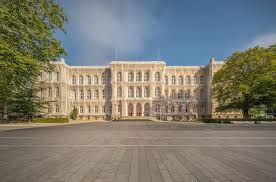
Winter Intake at RWTH Aachen University starts in October. It is especially important for engineering and technology students. Students who are admitted to the Winter Intake can join the new academic year and take advantage of research and internship opportunities. Students must be prepared with the necessary documents and visas for the admission process.
RWTH Aachen University Deadline and Fees
Deadline for Winter Intake 2027: July 10, 2026
Fees (Approx.): €0 tuition; Semester fee: €300
Course Details
Undergraduate Courses
- B.Sc. Applied Geography
- B.Sc. Architecture
- B.Sc. Biology
- B.Sc. Business Administration
- B.Sc. Chemistry
- B.Sc. Civil Engineering
- B.Sc. Computer Science
- B.Sc. Electrical Engineering, Information Technology and Computer Engineering
- B.Sc. Environmental Engineering
- B.Sc. Georesources and Materials Engineering
- B.Sc. Industrial Engineering
- B.Sc. Materials Engineering
- B.Sc. Mathematics
- B.Sc. Mechanical Engineering
- B.Sc. Mobility and Transport
- B.Sc. Physics
- B.Sc. Psychology
- B.Sc. Software Systems Engineering
- B.Sc. Technical Communication
- B.Ed. Vocational Education (various technical subjects)
- B.A. European Studies
- B.Sc. Sustainable Raw Materials and Energy Supply Chain
Postgraduate Courses
- M.Sc. Aeronautical Engineering and Astronautics
- M.Sc. Applied Geosciences
- M.Sc. Architecture
- M.Sc. Artificial Intelligence
- M.Sc. Automotive Engineering
- M.Sc. Biology
- M.Sc. Biomedical Engineering
- M.Sc. Business Administration
- M.Sc. Chemistry
- M.Sc. Civil Engineering
- M.Sc. Computer Science
- M.Sc. Data Analytics and Decision Science
- M.Sc. Data Science
- M.Sc. Electrical Engineering, Information Technology and Computer Engineering
- M.Sc. Energy Systems
- M.Sc. Environmental Engineering
- M.Sc. Georesources Management
- M.Sc. Laboratory and Clinical Data Science
- M.Sc. Management and Engineering in Production Systems
- M.Sc. Materials Engineering
- M.Sc. Mathematics
- M.Sc. Mechanical Engineering
- M.Sc. Metallurgical Engineering
- M.Sc. Physics
- M.Sc. Psychology
- M.Sc. Robotics, Cognition and Intelligent Systems
- M.Sc. Software Systems Engineering
- M.Sc. Sustainable Energy Systems
- M.Sc. Textile Engineering
Doctoral Programs
- Dr.-Ing. (Doctor of Engineering)
- Dr. rer. nat. (Doctor of Natural Sciences)
- Dr. phil. (Doctor of Philosophy)
University of Stuttgart
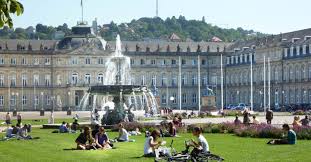
Winter Intake at the University of Stuttgart starts in October. It is especially suitable for engineering and technology students. Students who are admitted to the Winter Intake can start their courses with the new academic year. It is important for students to have their educational qualifications, language skills, and visa documents ready during the application process.
University of Stuttgart Deadline and Fees
Deadline for Winter Intake 2027: July 30, 2026
Fees (Approx.): €1,500 per semester (for non-EU students)
Course Details
Undergraduate Courses
- B.Sc. Aerospace Engineering
- B.Sc. Architecture and Urban Planning
- B.Sc. Art History
- B.Sc. Automotive and Engine Engineering
- B.Sc. Business Administration and Economics
- B.Sc. Civil Engineering
- B.Sc. Computer Science
- B.Sc. Electrical Engineering and Information Technology
- B.Sc. Engineering Cybernetics
- B.Sc. Environmental Engineering
- B.Sc. Food Chemistry
- B.Sc. Geomatics
- B.Sc. Geodesy and Geoinformatics
- B.Sc. Materials Science
- B.Sc. Mathematics
- B.Sc. Mechanical Engineering
- B.Sc. Mechatronics
- B.Sc. Physics
- B.Sc. Process Engineering
- B.Sc. Real Estate Engineering and Management
- B.Sc. Software Engineering
- B.Sc. Sustainable Electrical Power Engineering
- B.Sc. Technical Biology
- B.Sc. Technical Education (Vocational Teaching)
- B.Sc. Technology Management
- B.Sc. Transportation Science
- B.A. Art History (small subject)
- B.A. Linguistics
- B.Ed. Vocational Education (various technical fields)
Postgraduate Courses
- M.Sc. Aerospace Engineering
- M.Sc. Architecture and Urban Planning
- M.Sc. Autonomous Systems
- M.Sc. Business Administration
- M.Sc. Civil Engineering
- M.Sc. Computational Linguistics
- M.Sc. Computational Mechanics of Materials and Structures (COMMAS)
- M.Sc. Computer Science
- M.Sc. Electrical Engineering and Information Technology
- M.Sc. Energy Technology
- M.Sc. Environmental Engineering
- M.Sc. Geomatics Engineering (GEOENGINE)
- M.Sc. Infrastructure Planning
- M.Sc. Information Technology (INFOTECH)
- M.Sc. Integrative Technologies and Architectural Design Research (ITECH)
- M.Sc. Materials Science
- M.Sc. Mathematics
- M.Sc. Mechanical Engineering
- M.Sc. Mechatronics
- M.Sc. Physics
- M.Sc. Process Engineering
- M.Sc. Software Engineering
- M.Sc. Sustainable Urban Mobility Transitions
- M.Sc. Technology Management
- M.Sc. Vehicle and Engine Technology
- M.Sc. Water Resources Engineering and Management (WAREM)
- M.Ed. Vocational Education
- Master of Infrastructure Planning (MIP)
- Master of Building Physics
Doctoral Programs
- Dr.-Ing. (Doctor of Engineering)
- Dr. rer. nat. (Doctor of Natural Sciences)
- Dr. phil. (Doctor of Philosophy)
- Dr. rer. pol. (Doctor of Economics)
FAQ's
What is the Winter Intake in Germany 2027?
Although the Winter Intake in Germany 2027 is the primary selection of admission which will begin between September and October 2027. The October intake is the most common intake for international students in Germany, as most German universities have a large number of bachelor’s and master programs available in this month.
When should international students apply for Winter Intake in Germany 2027?
For the Winter Intake, the application dates range from December of the preceding year to March of the following year (for a winter semester of 2027, dates will be in December 2025 to March 2027) For most public universities, the general deadline is July 15, 2027, with a few private universities accepting applications up to August.
What are the eligibility requirements for Winter Intake in Germany 2027?
Qualification varies according to the selected program and institution. Typically, students are required to possess recognised academic qualifications, proof of proficiency in English or German (IELTS/TOEFL or TestDaF), a mandatory APS certificate (for students from India), and transcripts of academic records.
Is the Winter Intake in Germany 2027 better than the Summer Intake?
The Winter Intake is generally considered better as more courses are available, higher acceptance rates, and better internship and job opportunities. It also fits perfectly with the school year for most of the countries.
What are the visa and financial requirements for Winter Intake in Germany 2027?
The other requirement is to apply for a German student visa and prove funding through a blocked account which is a little over €11,208 a year (not fixed). Also, you will need your health insurance, admission letter, and accommodation info among other things.