
 Wayup Abroad
Overview
Looking for Summer intake in Germany to start your academic year, but I must mention that this intake will be a good option for those who missed the winter intake this year! Summer intake in Germany is not the primary intake in the country, but so many students want to start their academics with this intake only. Summer intake is also known as spring intake or April intake. 50% of Indian students choose this secondary intake, as this is only the upcoming intake after the primary one.
Yes, summer intake in Germany is actually a secondary intake in Germany. The summer semester in Germany offers international students a unique opportunity to start their academic journey sooner.
Unlike the usual winter intake in Germany, which is a primary intake and fills up faster than the secondary intake. That is why you can opt for the summer intake in Germany. The summer semester offers an alternative for international students who have missed the early deadline of the winter intake. The summer intake in Germany’s semester usually starts in the month of March or April. This will allow international students to start their studies without having to wait a whole year, making it an attractive option for motivated learners.
Deadlines
The application deadlines for summer intake in Germany vary depending on the university and program. However, here are some general guidelines:
- The early deadline for the summer intake in Germany will start from January 15th to February 15th for some universities. You should contact us to know exactly about your chosen university.
- The regular deadline for the summer intake in German universities is from March 15th to April 15th for most universities.
- The late deadline is starts from May 15th to June 15th for some universities.
If you want to know about any specific university, you should contact us to know about it. We will help you to know the correct deadline for smooth admission.
Requirements
Academic Requirements
- For a Bachelor's degree in a relevant field, you need to score a minimum GPA of 2.5 or 60% marks.
- For a Master's degree in a relevant field, you need to score a minimum GPA of 2.5 or 60% marks for PhD programs.
- Also, you need to score good in Language proficiency. Like Proof of English language proficiency such as TOEFL with a minimum of 80 points and if you choose IELTS, then you need to score a minimum of 6.0 band points depending on the program you choose.
Language Requirements
- English language proficiency: As mentioned earlier, TOEFL or IELTS scores are required for most programs.
- German language proficiency: Depending on the program, some universities may require German language proficiency, such as TestDaF or DSH.
Additional Requirements
- Transcripts and certificates: Official transcripts and certificates of previous academic degrees.
- Motivation letter: A personal statement outlining your motivation for studying in Germany.
- CV: An updated curriculum vitae.
- Recommendation letters: Letters of recommendation from academic or professional referees.
- Proof of funding: Proof of sufficient financial resources to support your studies in Germany.
Process
Application Process for Summer Intake in Germany 2025-2026
For the summer semester starting in March/April, the application period begins in early December and runs through January 15. Acceptance letters are sent in August and September and in February and March. Rejection letters are often sent a little later. Private universities may have other deadlines, this is why you need us to help you with all the important information. Now let’s check what is Application Process for Summer Intake in Germany 2025-2026:
By WayUp Abroad, Study in Germany Consultants for Indian Students!
Are you ready to pursue your higher education dreams in Germany? WayUp Abroad is here to guide you through the application process for the summer intake in Germany for the 2025-2026 academic year.
Step 1: Choose Your Program (December 2025 - January 2026)
- Browse through our website to explore various programs offered by top German universities.
- Shortlist your preferred programs and universities.
- Contact our expert counselors for guidance on program selection.
Step 2: Check Eligibility and Requirements (January 2026)
- Review the eligibility criteria and requirements for your chosen program.
- Ensure you meet the academic, language, and other requirements.
- Our counselors will help you assess your eligibility.
Step 3: Prepare and Submit Documents (January - February 2026)
- Gather all necessary documents, including transcripts, certificates, language test scores, and more.
- Our team will assist you in preparing and reviewing your documents.
- Submit your documents to the university through our platform.
Step 4: Apply to Universities (February - March 2026)
- Our counselors will guide you through the university application process.
- Submit your applications to the chosen universities through our platform.
- Track the status of your applications with our help.
Step 5: Receive Admission and Apply for Visa (March - May 2026)
- Receive admission letters from the universities.
- Our team will assist you in applying for a German student visa.
- Ensure you meet the visa requirements and deadlines.
Step 6: Plan Your Travel and Accommodation (May - July 2026)
- Book your flights to Germany.
- Arrange for accommodation in Germany, with our help if needed.
- Prepare for your journey to Germany.
Spring Intake
Summer intake is also known as Spring admission in Germany. Choosing the summer intake in Germany for the 2025 to 2026 academic year offers several advantages for international students. Choosing summer intake in Germany is a good choice if you miss winter intake. Another option is to drop a year gap and apply for next winter intake but this will not be considered a good option.
- One of the main advantages of this service is that it allows you to start your studies in Germany early, without having to wait until the next winter admission date.
- This is particularly useful for students who missed the winter admission deadline or who had to start their studies at a different time due to personal or professional commitments.
Another advantage of summer intake in Germany is that there are often fewer applicants than in winter, which means less competition for programs and universities. This can increase your chances of being accepted to your preferred university or program. In addition, during the summer, students can enjoy Germany’s pleasant summer climate, with longer days and warmer temperatures, making it an ideal time to explore the country and its culture.
Also, some of the best universities in Germany offer specialized programs or courses that are only available during summer admission. These programs may focus on specific subjects or sectors, providing students with unique learning opportunities and experiences. By choosing summer admission, students can take advantage of these specialized programs and improve their academic and career prospects.
Top Courses
You can study with summer intake in Germany with so many best courses. When we talk about top courses in Germany available with summer intake you will get a huge list of Engineering and Technology courses, Business and Management courses, Natural Sciences, Humanities and Social Sciences, etc. Below is the list of few of these courses available with summer intake in Germany for international students:
Engineering and Technology
- MSc in Artificial Intelligence
- MSc in Data Science
- MSc in Renewable Energy
Business and Management
- MBA in International Business
- MSc in International Management
- MSc in Supply Chain Management
Natural Sciences
- MSc in Biotechnology
- MSc in Environmental Science
- MSc in Neuroscience
Humanities and Social Sciences
- MA in International Relations
- MA in Cultural Studies
- MA in Linguistics
These are just a few examples of the best courses available for summer intake in Germany. It is essential to do your research and find the best course that suits your academic and career goals with the help of our study in Germany consultants.
Scholarships
Scholarships are important to study in any country including Germany. If you choose a public university in Germany, you will not need any scholarship for that because these types of universities are free. But if you choose any private universities, you may need financial assistance to sustain your studies and living costs. Below are some best Scholarships for Summer Intake in Germany:
DAAD (German Academic Service) Scholarships
Eligibility: Available to international students pursuing a master’s or doctoral program in Germany. Applicants must demonstrate academic excellence and compatibility with DAAD’s areas of interest, such as science, engineering, or social sciences.
Amount: Provides a monthly stipend of €861 for master’s students and €1,200 for doctoral candidates, plus health insurance, travel allowances, and a study/research grant.
Heinrich Boll Foundation Scholarships
Eligibility: Available to international students enrolled in a master’s or doctoral program in Germany. Applicants must demonstrate outstanding academic achievements, social engagement, and alignment with the values of the institution.
Amount: Master’s students receive up to €934 per month, while doctoral candidates receive €1,200, with additional allowances for health insurance and family support.
Deutschlandstipendium (Germany Scholarship)
Eligibility: Awarded to domestic and international students enrolled at German universities. Selection is based on academic performance, leadership potential, and social engagement.
Amount: €300 per month for one year, co-funded by the German government and private sector sponsors.
Erasmus Scholarships
Eligibility: Supports international students from partner countries who are pursuing exchange or full-time programmes in Germany. Candidates must be enrolled at a participating institution.
Amount: Provides monthly grants ranging from €300 to €450, plus travel allowances, depending on the country of origin and programme duration.
Friedrich Ebert Foundation Scholarships
Eligibility: Open to students from developing countries who are pursuing undergraduate, master’s or doctoral studies in Germany. Requires academic merit and social commitment.
Amount: Provides up to €744 per month for undergraduate students and €850 for master’s students, with additional health insurance and family benefits.
Top Universities
RWTH Aachen University
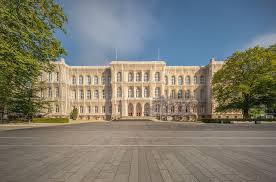
Summer Intake at RWTH Aachen University is an important opportunity for students. During this time, the university admits new students, especially for engineering and technology courses. Students admitted to the Summer Intake can start their courses in the middle of the year. This is advantageous for international students, as they can start their courses quickly and also have the opportunity to do research or an internship. It is important to apply for the admission process early, so that the application and visa work are completed on time.
Deadline (Summer Intake 2025-26): January 15, 2026
Approx. Tuition Fees (Per Semester): Free (Administrative fees: €300–€400)
Course Details
Undergraduate Courses
- B.Sc. Applied Geography
- B.Sc. Architecture
- B.Sc. Biology
- B.Sc. Business Administration
- B.Sc. Chemistry
- B.Sc. Civil Engineering
- B.Sc. Computer Science
- B.Sc. Electrical Engineering, Information Technology and Computer Engineering
- B.Sc. Environmental Engineering
- B.Sc. Georesources and Materials Engineering
- B.Sc. Industrial Engineering
- B.Sc. Materials Engineering
- B.Sc. Mathematics
- B.Sc. Mechanical Engineering
- B.Sc. Mobility and Transport
- B.Sc. Physics
- B.Sc. Psychology
- B.Sc. Software Systems Engineering
- B.Sc. Technical Communication
- B.Ed. Vocational Education (various technical subjects)
- B.A. European Studies
- B.Sc. Sustainable Raw Materials and Energy Supply Chain
Postgraduate Courses
- M.Sc. Aeronautical Engineering and Astronautics
- M.Sc. Applied Geosciences
- M.Sc. Architecture
- M.Sc. Artificial Intelligence
- M.Sc. Automotive Engineering
- M.Sc. Biology
- M.Sc. Biomedical Engineering
- M.Sc. Business Administration
- M.Sc. Chemistry
- M.Sc. Civil Engineering
- M.Sc. Computer Science
- M.Sc. Data Analytics and Decision Science
- M.Sc. Data Science
- M.Sc. Electrical Engineering, Information Technology and Computer Engineering
- M.Sc. Energy Systems
- M.Sc. Environmental Engineering
- M.Sc. Georesources Management
- M.Sc. Laboratory and Clinical Data Science
- M.Sc. Management and Engineering in Production Systems
- M.Sc. Materials Engineering
- M.Sc. Mathematics
- M.Sc. Mechanical Engineering
- M.Sc. Metallurgical Engineering
- M.Sc. Physics
- M.Sc. Psychology
- M.Sc. Robotics, Cognition and Intelligent Systems
- M.Sc. Software Systems Engineering
- M.Sc. Sustainable Energy Systems
- M.Sc. Textile Engineering
Doctoral Programs
- Dr.-Ing. (Doctor of Engineering)
- Dr. rer. nat. (Doctor of Natural Sciences)
- Dr. Phil. (Doctor of Philosophy)
Heidelberg University
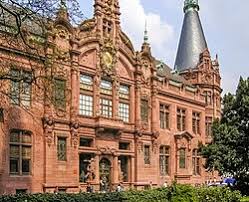
Summer Intake program at Heidelberg University is open to international students. This is an excellent opportunity, especially for research and postgraduate courses. Students admitted to the Summer Intake can start their academic career in the middle of the year. It is important for students to have their application forms, language skills and other documents ready during the admission process. This helps students to adapt quickly to university life and to participate in research or projects.
Deadline (Summer Intake 2025-26):
Undergraduate (UG): February 1, 2026
Postgraduate (PG): February 15, 2026
Approx. Tuition Fees (Per Semester): Free (Administrative fees: ~€300)
Course Details
Undergraduate Courses
- B.Sc. Applied Geography
- B.Sc. Architecture
- B.Sc. Biology
- B.Sc. Business Administration
- B.Sc. Chemistry
- B.Sc. Civil Engineering
- B.Sc. Computer Science
- B.Sc. Electrical Engineering, Information Technology and Computer Engineering
- B.Sc. Environmental Engineering
- B.Sc. Georesources and Materials Engineering
- B.Sc. Industrial Engineering
- B.Sc. Materials Engineering
- B.Sc. Mathematics
- B.Sc. Mechanical Engineering
- B.Sc. Mobility and Transport
- B.Sc. Physics
- B.Sc. Psychology
- B.Sc. Software Systems Engineering
- B.Sc. Technical Communication
- B.Ed. Vocational Education (various technical subjects)
- B.A. European Studies
- B.Sc. Sustainable Raw Materials and Energy Supply Chain
Postgraduate Courses
- M.Sc. Aeronautical Engineering and Astronautics
- M.Sc. Applied Geosciences
- M.Sc. Architecture
- M.Sc. Artificial Intelligence
- M.Sc. Automotive Engineering
- M.Sc. Biology
- M.Sc. Biomedical Engineering
- M.Sc. Business Administration
- M.Sc. Chemistry
- M.Sc. Civil Engineering
- M.Sc. Computer Science
- M.Sc. Data Analytics and Decision Science
- M.Sc. Data Science
- M.Sc. Electrical Engineering, Information Technology and Computer Engineering
- M.Sc. Energy Systems
- M.Sc. Environmental Engineering
- M.Sc. Georesources Management
- M.Sc. Laboratory and Clinical Data Science
- M.Sc. Management and Engineering in Production Systems
- M.Sc. Materials Engineering
- M.Sc. Mathematics
- M.Sc. Mechanical Engineering
- M.Sc. Metallurgical Engineering
- M.Sc. Physics
- M.Sc. Psychology
- M.Sc. Robotics, Cognition and Intelligent Systems
- M.Sc. Software Systems Engineering
- M.Sc. Sustainable Energy Systems
- M.Sc. Textile Engineering
Doctoral Programs
- Dr.-Ing. (Doctor of Engineering)
- Dr. rer. nat. (Doctor of Natural Sciences)
- Dr. phil. (Doctor of Philosophy)
Technical University of Munich (TUM)
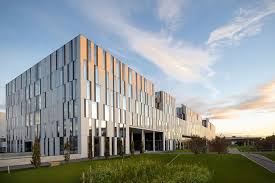
Summer Intake at the Technical University of Munich offers students the opportunity to enroll in technical and engineering programs. This intake is particularly useful for international students, as it allows them to start their courses in the middle of the year. All documents such as educational certificates, language skills and visa requirements must be ready during the application process. The Summer Intake helps students to join courses quickly and participate in practical and research activities.
Deadline (Summer Intake 2025-26): January 15, 2026
Approx. Tuition Fees (Per Semester): Free (Administrative fees: €150–€300)
Course Details
Undergraduate Courses
- B.Sc. Aerospace
- B.Sc. Agricultural and Horticultural Sciences
- B.Sc. Architecture
- B.Sc. Biochemistry
- B.Sc. Bioinformatics
- B.Sc. Biology
- B.Sc. Brewing and Beverage Technology
- B.Sc. Chemical Engineering
- B.Sc. Chemistry
- B.Sc. Civil Engineering
- B.Sc. Computational Science and Engineering
- B.Sc. Electrical Engineering
- B.Sc. Engineering Science
- B.Sc. Environmental Engineering
- B.Sc. Food Technology
- B.Sc. Forestry and Resource Management
- B.Sc. Geodesy and Geoinformation
- B.Sc. Geosciences
- B.Sc. Informatics (Computer Science)
- B.Sc. Information Systems
- B.Sc. Landscape Architecture and Landscape Planning
- B.Sc. Management
- B.Sc. Management and Technology
- B.Sc. Mathematics
- B.Sc. Mechanical Engineering
- B.Sc. Molecular Biotechnology
- B.Sc. Nutrition and Biomedicine
- B.Sc. Pharmaceutical Bioprocess Engineering
- B.Sc. Physics
- B.Sc. Sustainable Management and Technology
- B.Ed. Vocational Education (various technical fields)
Postgraduate Courses
- M.Sc. Aerospace
- M.Sc. Agricultural Biosciences
- M.Sc. Architecture
- M.Sc. Automotive Engineering
- M.Sc. Biochemistry
- M.Sc. Bioinformatics
- M.Sc. Biology
- M.Sc. Biomedical Computing
- M.Sc. Biomedical Neuroscience
- M.Sc. Chemical Engineering
- M.Sc. Chemistry
- M.Sc. Civil Engineering
- M.Sc. Communications Engineering
- M.Sc. Computational Mechanics
- M.Sc. Computational Science and Engineering
- M.Sc. Consumer Science
- M.Sc. Data Engineering and Analytics
- M.Sc. Electrical Engineering and Information Technology
- M.Sc. Energy and Process Engineering
- M.Sc. Environmental Engineering
- M.Sc. Finance and Information Management
- M.Sc. Food Technology and Biotechnology
- M.Sc. Informatics (Computer Science)
- M.Sc. Information Systems
- M.Sc. Management
- M.Sc. Management and Technology
- M.Sc. Mathematics
- M.Sc. Mechanical Engineering
- M.Sc. Medical Life Science and Technology
- M.Sc. Molecular Biotechnology
- M.Sc. Neuroengineering
- M.Sc. Nutrition and Biomedicine
- M.Sc. Physics
- M.Sc. Power Engineering
- M.Sc. Quantum Science & Technology
- M.Sc. Robotics, Cognition, Intelligence
- M.Sc. Sustainable Mobility
- M.Sc. Sustainable Resource Management
- Master of Education (Research on Teaching and Learning)
- MBA programs (various specializations)
- Executive MBA
Doctoral Programs
- Dr.-Ing. (Doctor of Engineering)
- Dr. rer. nat. (Doctor of Natural Sciences)
- Dr. phil. (Doctor of Philosophy)
- Dr. rer. pol. (Doctor of Economics)
Ludwig Maximilian University of Munich (LMU)
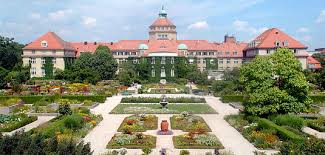
Summer Intake at LMU Munich is open to international students. It is an important opportunity, especially for the arts, sciences and social sciences. Students admitted to the Summer Intake can start their courses in the middle of the year and participate in various research and projects. It is very important to apply and have the necessary documents ready for the admission process in advance. This allows students to adapt to university life quickly.
Deadline (Summer Intake 2025-26): January 31, 2026
Approx. Tuition Fees (Per Semester): Free (Administrative fees: €150–€250)
Course Details
pending
University of Freiburg
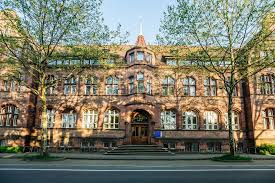
Summer Intake at the University of Freiburg is an important admission period for international students. During this time, students can join Masters and some Bachelor's programs. By enrolling in the Summer Intake, students can start courses mid-year and progress through their academic career faster. It is important for students to have their academic qualifications, language proficiency, and visa documents ready during the application process. This helps students adapt to university life quickly.
Deadline (Summer Intake 2025-26): February 15, 2026
Approx. Tuition Fees (Per Semester): Free (Administrative fees: €300–€400)
Course Details
Undergraduate Courses
- B.A. Archaeology
- B.A. Catholic Theology
- B.A. Cognitive Science
- B.A. Economics and Politics
- B.A. Educational Science and Education
- B.A. English and American Studies
- B.A. European Studies
- B.A. German Studies
- B.A. History
- B.A. Islamic Studies
- B.A. Jewish Studies
- B.A. Liberal Arts and Sciences
- B.A. Philosophy
- B.A. Political Science
- B.A. Psychology
- B.A. Romance Studies
- B.A. Sinology
- B.A. Sociology
- B.Sc. Biology
- B.Sc. Chemistry
- B.Sc. Computer Science
- B.Sc. Environmental Natural Sciences
- B.Sc. Forest Sciences and Forest Ecology
- B.Sc. Geography
- B.Sc. Mathematics
- B.Sc. Microsystem Engineering
- B.Sc. Molecular Medicine
- B.Sc. Pharmaceutical Sciences
- B.Sc. Physics
- B.Sc. Sports Science
- LL.B. Law (State Examination)
- Medicine (State Examination)
- Dentistry (State Examination)
- Pharmacy (State Examination)
Postgraduate Courses
- M.A. Ancient Civilizations
- M.A. British and North American Cultural Studies
- M.A. Comparative Modern History
- M.A. Economics
- M.A. English Language and Linguistics
- M.A. European and Asian Economic Law
- M.A. European Linguistics
- M.A. Forest Sciences
- M.A. Gender Studies
- M.A. German-French Studies
- M.A. History
- M.A. Intercultural Studies
- M.A. International Economic Relations
- M.A. Medieval and Renaissance Studies
- M.A. Philosophy
- M.A. Political Science
- M.A. Psychology
- M.A. Social Sciences
- M.Ed. Education
- M.Sc. Applied Physics
- M.Sc. Biology
- M.Sc. Biomedical Sciences
- M.Sc. Chemistry
- M.Sc. Computer Science
- M.Sc. Crystalline Materials
- M.Sc. Economics
- M.Sc. Environmental Governance
- M.Sc. Environmental Sciences
- M.Sc. Forest Sciences
- M.Sc. Geology
- M.Sc. Geosciences
- M.Sc. High Performance Computing
- M.Sc. Immunology
- M.Sc. Intelligent Embedded Microsystems
- M.Sc. Mathematics
- M.Sc. Microsystems Engineering
- M.Sc. Molecular Medicine
- M.Sc. Neuroscience
- M.Sc. Pharmaceutical Sciences
- M.Sc. Physics
- M.Sc. Renewable Energy Engineering and Management
- M.Sc. Sustainable Systems Engineering
- LL.M. European and International Law
Doctoral Programs
- Dr. phil. (Humanities and Social Sciences)
- Dr. rer. nat. (Natural Sciences)
- Dr. med., Dr. med. dent., Dr. rer. medic. (Medicine and Dentistry)
FAQ's
What is the Summer Intake in Germany?
It's basically the spring/summer semester, called "Sommersemester." Classes kick off around April 2026 (official start is often April 1st, with lectures starting mid-April). It's the smaller of the two main intakes, the big one is winter, starting in October. A lot of folks go for summer if they missed winter deadlines or just want to start sooner.
When does the Summer Semester 2026 actually start?
Most universities have the semester running from April 1 to around September 2026, but actual lectures usually begin in mid-April. Orientation stuff happens early April to help you settle in. It varies a bit by uni, like some might start a week or two later, so check your specific school.
What are the application deadlines for Summer 2026?
For most public universities, applications wrap up by mid-January 2026, January 15 is super common. Some close earlier, like December, especially if they use uni-assist (that service that checks your docs for international students). Private unis might give you until February or March. Seriously, don't wait, start checking program pages now because deadlines aren't flexible.
How do I apply? Is it different for international students?
Yeah, it can be. A bunch of universities make you go through uni-assist for a preliminary check (called VPD). Others let you apply directly on their portal. You'll need transcripts, language proofs (German or English, depending on the program), CV, motivation letter, stuff like that. If you're non-EU, factor in visa time too, get your admission letter early.
Are there many programs available in Summer Intake?
Not as many as winter, honestly. Winter has way more options, especially for bachelor's. Summer shines for certain master's programs, think engineering, computer science, natural sciences, business stuff. Some unis like TUM, RWTH Aachen, Heidelberg, or Stuttgart offer good ones. Always search on DAAD.de or the uni sites to see if your course runs in summer.
What's good about choosing Summer Intake?
Less competition, for one, fewer people apply, so your chances might feel better (though seats are fewer too). Smaller classes mean more attention from profs. Housing is easier to snag since not everyone's arriving at once. Weather's nicer when you land, spring vibes instead of freezing winter. And if you missed winter apps, it's a solid backup without waiting a full year.